

Homeowners want clear footage from security cameras. A common question arises during system planning. How far does home CCTV see. Viewing distance depends on lens size, sensor quality, lighting, resolution, and camera placement. Meg Security Solutions installs systems in many home environments across Pakistan and observes consistent performance patterns. This guide explains these patterns with clear examples so you choose home CCTV solutions with confidence.
What Viewing Distance Means
Viewing distance refers to how far a camera produces clear, identifiable footage. Two distance levels matter most.
Detection distance
A subject is visible but not identifiable.
Recognition distance
A subject’s face or actions are clear enough for evidence.
Different camera types reach different levels. Resolution, lens size, and lighting shape performance.
Lens Size and Viewing Distance
Lens size directly affects distance.
2.8 mm lens
Wide angle view. Shorter distance. Works well for small yards and entry points. Approximate recognition range between 10 and 15 meters.
4 mm lens
Balanced angle with stronger recognition distance. Approximate recognition range between 15 and 25 meters.
6 mm lens
Narrower angle with longer viewing distance. Recognition range between 25 and 40 meters.
12 mm lens
Long reach. Narrow view. Recognition range between 40 and 70 meters. Often used for boundary walls or long driveways.
Resolution and Detail Level
Resolution has strong influence on clarity.
2 MP
Recognition range decreases in low light. Works for entry doors.
4 MP
Cleaner image at medium distances.
5 MP
Stronger detail level for outdoor spaces.
8 MP
High clarity. Works for long range identification.
Low resolution produces blurred faces beyond short distances. Higher resolution maintains clarity across wider areas.
Sensor Quality
Sensor quality shapes light intake and performance.
Larger sensors
Stronger night strength, cleaner edges, higher evidence value.
Smaller sensors
Lower clarity in low light. Shorter usable distance.
Lighting Conditions
Lighting supports viewing distance. Poor lighting limits recognition.
Daylight
Longest viewing distance. Cameras reach full potential.
Low light
Shorter recognition distance. Noise reduces detail.
Complete darkness
Night vision support becomes critical. Range depends on infrared strength.
Infrared Night Vision Range
Infrared LEDs push viewing distance in darkness.
Standard IR
Up to 20 meters.
Medium IR
Up to 40 meters.
Long range IR
Up to 80 meters.
Smart IR adjusts brightness and reduces glare on close subjects.
Camera Type and Viewing Distance
Different camera types serve different ranges.
Dome cameras
Short to medium distance. Popular for indoor areas.
Bullet cameras
Longer reach. Strong choice for outdoor walls.
PTZ cameras
Pan, tilt, and zoom functions provide long viewing distance with optical zoom support. Recognition distance reaches 200 meters or more depending on zoom level.
Environmental Conditions
Real outdoor environments influence viewing distance.
Dust
Reduces clarity during night vision.
Rain
Distorts long range detail.
Fog
Shortens recognition distance sharply.
Glare
Harsh light near entry gates reduces image detail.
Placement Strategy
Correct placement improves viewing distance.
Mount at proper height
Between 8 and 12 feet. Higher angles reduce face detail.
Point toward stable light
Avoid lights facing directly into the lens.
Avoid extreme wide angles
Wide views reduce detail.
Cover long corridors
Narrow spaces extend recognition distance naturally.
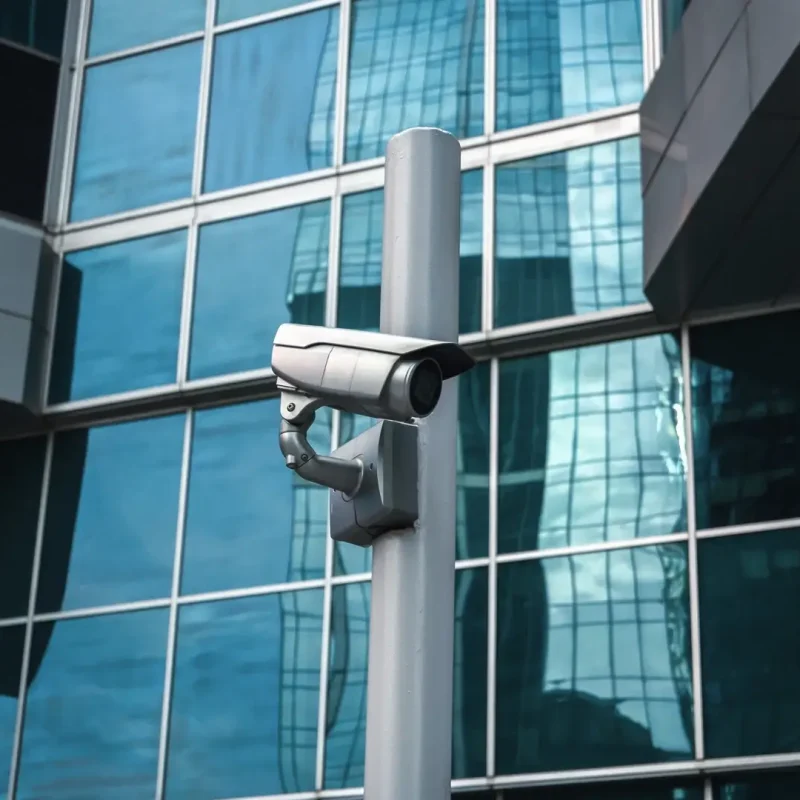
Example from Field Work
Meg Security Solutions handled a property with a narrow driveway. A 4 mm lens failed to capture plates clearly. Replacing this with a 6 mm lens improved plate clarity at 30 meters. Another home needed night coverage across a large yard. Standard IR failed. Upgrading to long range IR doubled night visibility.
How Far Different CCTV Systems See
General performance ranges observed during installations.
Indoor cameras
Recognition range between 8 and 12 meters.
Standard outdoor cameras
Recognition range between 15 and 25 meters.
Long range bullet cameras
Recognition range between 30 and 70 meters.
PTZ cameras
Recognition range over 100 meters with optical zoom.
Factors Influencing Range in Home CCTV Solutions
Home CCTV solutions often depend on multiple elements.
Camera lens
Direct link with distance.
Resolution
Higher resolution supports stronger zoom.
Lighting
Supports clarity.
Mounting height
Lower heights produce stronger facial detail.
Reflective surfaces
Glass or tiles distort night vision.
Use long range IR
Supports night vision.
Use higher resolution cameras
Improves zoom strength.
Reduce glare
Direct sunlight or headlights reduce clarity.
Maintain clean lenses
Dust reduces detail.
Use proper angles
Straight angles give sharper facial detail.
Choose narrower fields
Narrower views improve recognition distance.
Common Mistakes in CCTV Planning
Several issues reduce viewing distance.
Placing cameras too high
Faces appear stretched.
Using wide angle lenses everywhere
Wide views reduce distance detail.
Ignoring nighttime coverage
Strong daytime clarity hides poor night performance.
Relying on digital zoom
Digital zoom reduces clarity. Optical zoom performs better.
Installing near bright lights
Light glare blinds sensors.
Realistic Distance Expectations
Homeowners often expect extreme ranges. Real systems deliver strong performance within realistic limits.
Entry doors
10 to 15 meters.
Front yards
20 to 30 meters.
Streetside walls
30 to 50 meters.
Long driveways
40 to 80 meters or more with proper lenses.
SEO Practices for Strong Ranking
Use the main keyword in the title.
Add secondary keywords across headers.
Use short paragraphs for mobile readability.
Add descriptive alt tags for visuals.
Use structured FAQ data.
Include internal links to related posts.

Leave a Reply